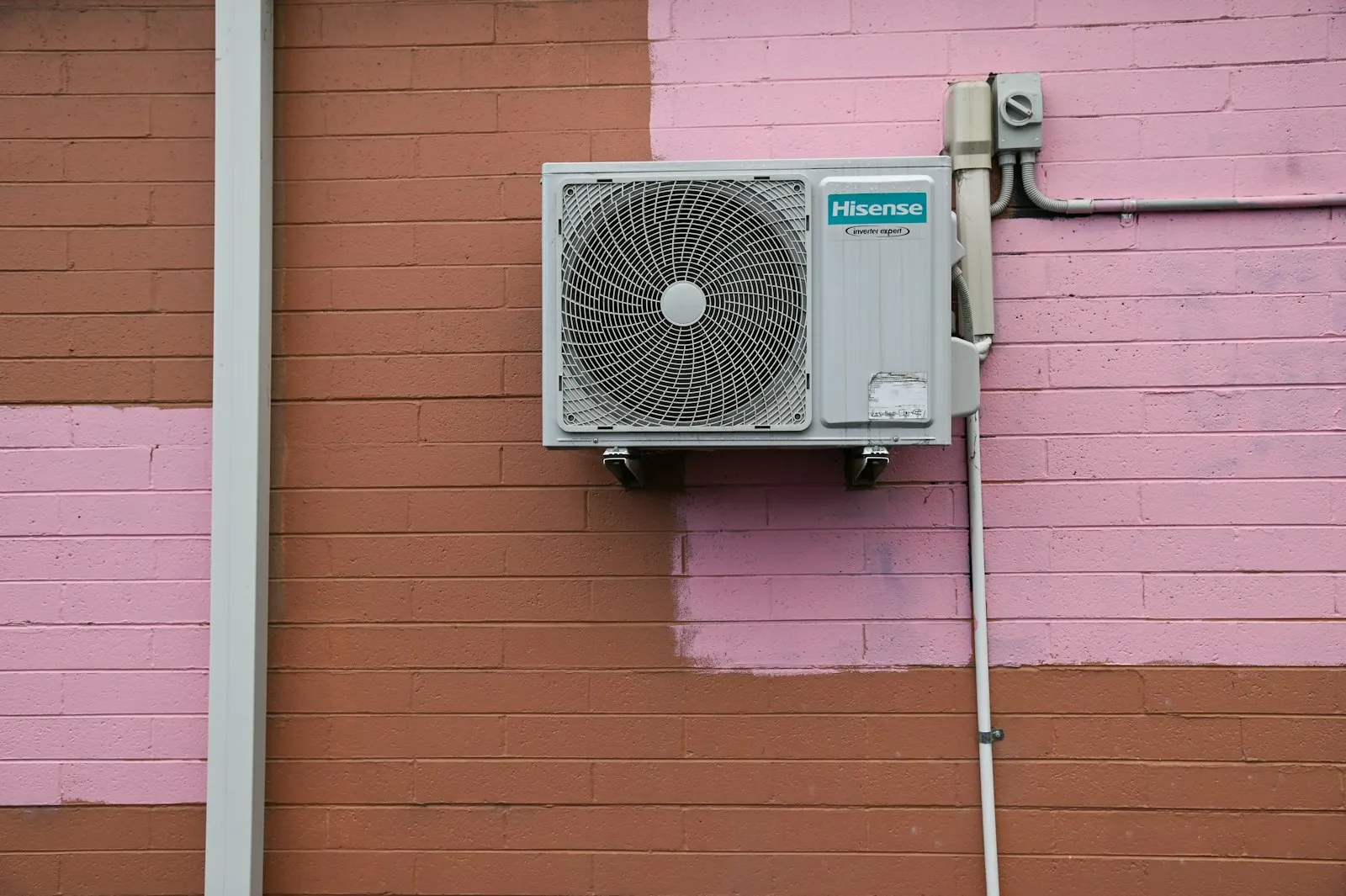
Shopping for a new air conditioner means running into SEER2 ratings within the first five minutes. Here’s a plain-English guide to what changed, what the law requires, and — the part the brochures skip — how much efficiency is actually worth paying for in central Ohio.
What SEER2 measures
SEER2 (Seasonal Energy Efficiency Ratio 2) is cooling output over a simulated season divided by the electricity consumed — effectively the “miles per gallon” of your AC. Higher numbers mean less electricity for the same cooling.
The “2” matters: in January 2023 the Department of Energy replaced the decades-old SEER test with the M1 procedure, which raises external static pressure during testing to mimic real ductwork instead of laboratory-perfect airflow. Same physics, tougher exam. As a rough conversion, a SEER2 rating is about 4.5% lower than the equivalent old SEER number — 14.3 SEER2 ≈ 15 SEER.
What Ohio requires
For new central air conditioners installed in Ohio (a northern-region state under the DOE rules), the federal minimum is 13.4 SEER2. You literally cannot buy a new unit below that, so the real question is never “should I meet the minimum” but “how far above it makes sense.”
The tiers, practically speaking
- 13.4–14.3 SEER2 (builder grade): lowest upfront cost, single-stage. Fine for light cooling use or a rental.
- 15–16 SEER2 (the sweet spot): usually two-stage, meaningfully quieter, better dehumidification, and the tier where utility rebates most often begin. This is what we quote most in Columbus.
- 17+ SEER2 (high efficiency): variable-speed compressors, superb humidity control, whisper-quiet — but the price step is real. Pays off with heavy AC use, long ownership horizons, or generous rebate programs.
How much is a SEER2 point worth?
A rough Columbus example: moving from 13.4 to 15.2 SEER2 trims roughly 12% off cooling electricity. On a typical $450 summer cooling spend, that’s about $55 a year — real, but not life-changing. The stronger arguments for the mid-tier are usually comfort (two-stage units run longer, gentler cycles that actually dehumidify) and rebates (utility programs typically start at 15–16 SEER2).
Three things that matter more than the number
- Sizing. An oversized 17 SEER2 unit performs worse than a right-sized 15 — insist on a Manual J load calculation.
- Installation quality. Refrigerant charge and airflow set wrong can erase two full SEER2 points. The commissioning report matters more than the sticker.
- Your ductwork. Leaky, undersized ducts throttle any condenser. SEER2’s tougher test exists precisely because ductwork is where lab numbers go to die.
Buy the efficiency tier that fits your usage and rebate landscape — then protect it with a proper install. That’s where the rating stops being marketing and starts being your utility bill.